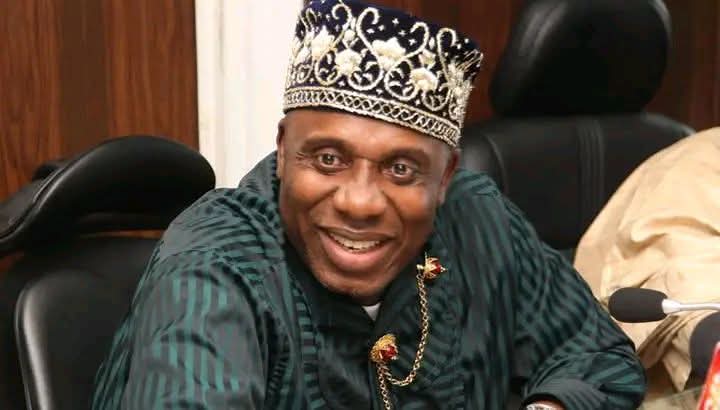
JUST IN: Muslim-Muslim Ticket: Everybody Is Suffering — Amaechi
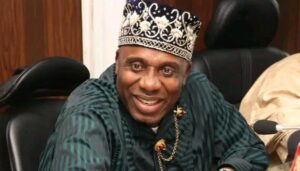
Former Governor of Rivers State and ex-Minister of Transportation, Chibuike Rotimi Amaechi, has criticised the current state of Nigeria’s economy and political climate, warning that citizens are grappling with worsening hardship amid rising costs of living.
Amaechi made the remarks on Friday during an interview on Channels Television, where he addressed ongoing debates surrounding zoning, ethnicity, and political competition ahead of future elections.
Speaking on the rights of political actors, Amaechi acknowledged that former Vice President Atiku Abubakar is constitutionally entitled to contest for the presidency. He, however, stressed that leadership choices should not be determined solely by regional or ethnic considerations, urging a broader evaluation of competence and national interest.
The former minister distanced himself from identity-based politics, insisting that his ambition is not rooted in ethnic or religious sentiment. According to him, Nigeria’s challenges are deeply linked to the persistent emphasis on such divisions, which he argued has undermined effective governance.
Amaechi also took a swipe at the formation of the current administration under President Bola Ahmed Tinubu, alleging that religious considerations played a significant role in the adoption of the Muslim-Muslim ticket during the 2023 elections. He suggested that the move reflected a deliberate agenda, which, in his view, has contributed to the country’s present difficulties.
Highlighting the economic strain on citizens, Amaechi painted a bleak picture of daily life, noting that many Nigerians are struggling to afford basic necessities, including food and fuel. He further warned of an impending rise in transportation costs, particularly within the aviation sector, as operators respond to escalating operational expenses.
The former governor also criticised President Tinubu’s campaign promises, arguing that the administration has fallen short of expectations set during the electioneering period.
His comments add to the growing discourse on governance, economic management, and national cohesion as political actors begin to position themselves ahead of the next electoral cycle.