APC’s Fatal Mistake: Turning El-Rufai into a Martyr – The North’s Desperate Quest for Another Buhari

APC’s Fatal Mistake: Turning El-Rufai into a Martyr – The North’s Desperate Quest for Another Buhari
Northern Nigeria is on fire—literally and figuratively. From the scorched farmlands ravaged by bandits to the empty classrooms echoing with the cries of uneducated youth, the region teeters on the brink of collapse. Poverty grips over 86 million Northerners, with rates soaring to 65% in states like Sokoto and Gombe, where multidimensional deprivation—lacking access to clean water, healthcare, and basic nutrition—condemns families to survival mode. World Bank projections paint an even grimmer picture: by 2026, poverty could engulf 61-62% of Nigerians, hitting the North hardest with 139-141 million souls trapped in destitution amid skyrocketing food inflation at 40%. Illiteracy festers like an open wound, with rates plummeting to single digits in states like Yobe (7.23%) and Zamfara (19.16%), where over 2.1 million children remain out of school, perpetuating cycles of ignorance and extremism. Insecurity reigns supreme: bandits and Boko Haram factions have sacked over 1,300 villages, kidnapped thousands (2,938 in the Northwest alone between 2024-2025), and claimed at least 10,217 lives since President Tinubu’s inauguration, turning highways into death traps and displacing millions. These aren’t abstract statistics—they’re the daily hell of a region abandoned by its leaders, fueling a desperate cry for salvation.
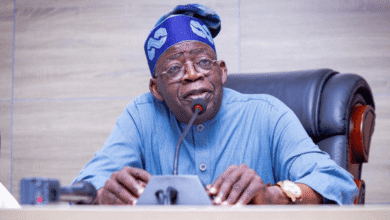
In 2023, the North rallied behind Bola Tinubu with unbridled optimism, delivering 64% of his votes in a historic show of unity. We pinned our hopes on his “Lagos blueprint”—that magical formula of urban renewal, job creation, and economic boom that transformed Nigeria’s commercial hub into Africa’s envy. Northerners envisioned replicated miracles: thriving industries in Kano, secure farmlands in Sokoto, and modern infrastructure bridging the North’s vast divides. Tinubu’s Renewed Hope Agenda promised equitable growth, but three years in, it’s a cruel mirage, leaving the North choking on dust while the Southwest reaps the rewards.
The injustices pile up like unpaid ransoms. Tinubu’s economic reforms—fuel subsidy removal, naira devaluation, and electricity hikes—have hammered the North’s informal economy, where subsistence farming and petty trade sustain millions. Inflation has exploded to 34%, with rural poverty at 75.5% and unemployment nearing 35%, disproportionately battering the agrarian North. Budget priorities skew southward: infrastructural projects, investments, and social services bypass the North, with less than 5% allocated to agriculture despite FAO’s 25% benchmark. Appointments reek of sectionalism, cronyism, and partisanship, marginalizing Northern voices in key cabinet roles and federal agencies. The Muslim North suffers doubly: neglected in counterinsurgency efforts, with Boko Haram resurgence in Borno and JNIM’s incursions, while herders-farmers clashes—exacerbated by unaddressed land disputes—claim lives unchecked. Tax proposals threaten to further impoverish the North by redistributing VAT unfairly, ignoring the region’s economic vulnerabilities. This isn’t governance—it’s betrayal.
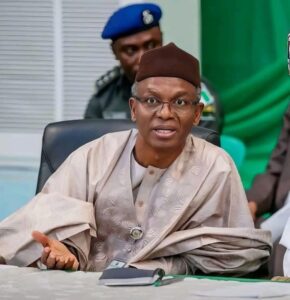
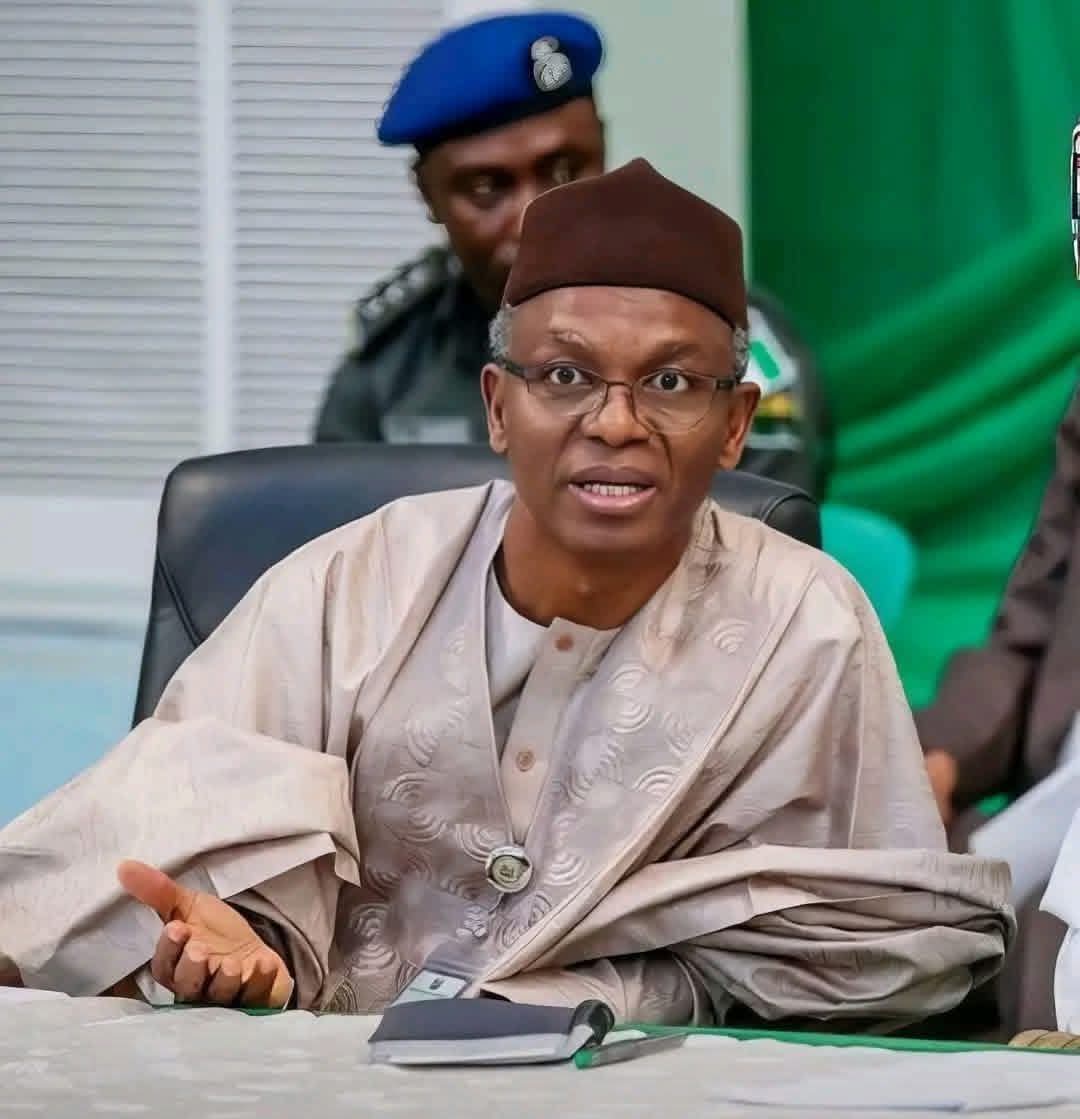
Enter Mallam Nasir El-Rufai, the fearless Fulani technocrat whose eight-year governorship (2015-2023) stands as a beacon of what true Northern leadership can achieve. In Kaduna, he revolutionized education by sacking 22,000 unqualified teachers, hiring 25,000 competent ones, abolishing fees, and launching a free school feeding program that boosted enrollment from under a million to over 2.1 million pupils. He digitized revenue collection, skyrocketing internally generated revenue (IGR) from N12 billion to N50 billion annually, attracting billions in investments and creating jobs through urban renewal projects like road expansions and water works. On security, El-Rufai refused to negotiate with bandits, establishing the first Ministry of Internal Security, cracking down on thugs, and ending endless blockades and killings along highways like Gwanin Gora, where travelers once faced routine ambushes—reducing ethno-religious violence through bold enforcement and community outreach. His reforms ranked Kaduna high in ease of doing business, built hospitals, and fostered merit over nepotism, proving competence trumps connections.
Some whisper that El-Rufai bears blame for Tinubu’s rise, as a key APC architect in 2015. But what choice did he have? The Muslim North overwhelmingly backed Tinubu in 2023—should El-Rufai defy the majority’s will? His APC party nominated Tinubu—should he betray his own ranks? Even pre-APC, the Northern bloc pledged power rotation to the Southwest if victorious—should he sabotage that pact? No, El-Rufai kept his word, honoring commitments in a political landscape where betrayal is currency. Blaming him ignores the collective Northern buy-in and Tinubu’s post-election failures. He campaigned for change, not complicity in decline.
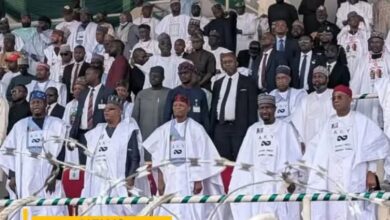
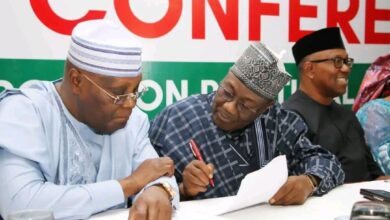
Today, the North burns while its governors and senators grovel at Tinubu’s feet, prioritizing loyalty over lives. Key indicators scream neglect: 18.3 million out-of-school children fueling banditry, food insecurity displacing farmers, and youth unemployment at 35% breeding unrest. Yet, these “leaders” defect en masse to APC, now controlling 30 of 36 states, parroting “Renewed Hope” while villages burn and children starve. Amid this cowardice, El-Rufai emerges as a rare champion, alongside Abubakar Malami and Aminu Waziri Tambuwal, who dare criticize Tinubu’s insensitive policies and vow to oust APC for the masses’ sake. Malami blasts endorsements amid hardship; Tambuwal declares war on the regime’s failures.
El-Rufai’s persecution—EFCC probes for N432 billion “corruption,” DSS watchlisting as a “security threat,” and failed arrests—mirrors Buhari’s pre-2015 ordeals, forging him into a martyr. Like Buhari, his Northern roots, anti-corruption zeal, bold style, and reformist track record evoke “Buharism”—a cult of integrity rallying the masses against elite betrayal. These witch-hunts only amplify his voice, exposing APC’s vulnerabilities and fracturing Northern unity. Tinubu’s fatal error? Turning a strategist who knows the party’s playbook inside out into an opposition juggernaut. The North, starved of hope, now seeks its Buhari redux in El-Rufai—a resilient heir ready to lead a resurgence. If APC ignores this powder keg, 2027 could explode in their faces, proving persecution births revolutions. The martyr rises; the North awakens.