Press Barred From El-Rufai Trial Raises Constitutional Concerns
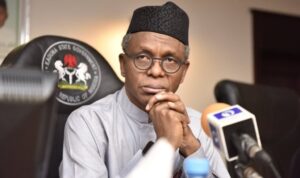
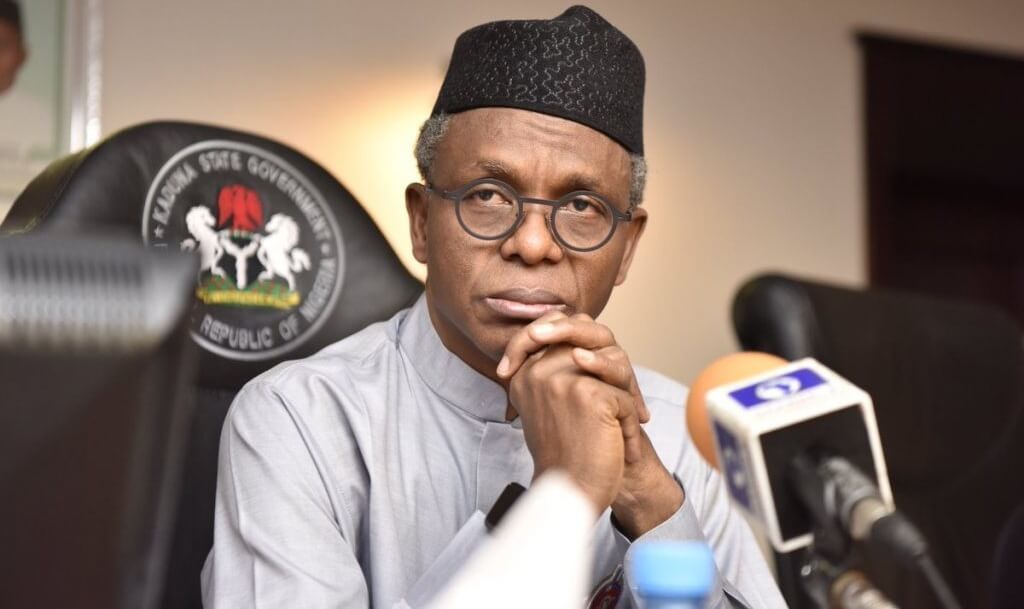
The decision by security operatives to bar journalists from covering the trial of former Kaduna State Governor, Nasir Ahmad El-Rufai, has sparked widespread concern over transparency and adherence to constitutional principles, as details continue to emerge from the ongoing proceedings in Kaduna.
At the Federal High Court in Kaduna, where El-Rufai is facing multiple charges including alleged corruption, fraud, and abuse of office, security presence has remained unusually heavy. Armed operatives drawn from agencies such as the Department of State Services (DSS), the Nigeria Police Force, and the Independent Corrupt Practices and Other Related Offences Commission (ICPC) mounted tight security around the court परिसर, effectively restricting access to proceedings.
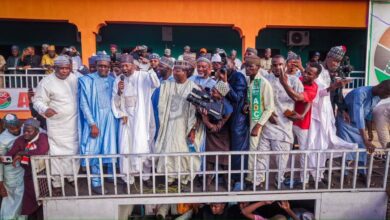
Despite the high public interest in the case, journalists who arrived at the venue early were denied entry into the courtroom, preventing them from directly observing or reporting on the proceedings. Reports indicate that only select officials were granted limited access, raising concerns about selective transparency and information control in a matter of significant national importance.
The trial forms part of a broader legal battle involving multiple charges filed against the former governor across different courts. The ICPC has accused El-Rufai of offences ranging from financial misconduct to abuse of office, while related proceedings have introduced additional allegations tied to governance and public accountability during his tenure.
Legal analysts and civil society observers have described the exclusion of the press as a troubling deviation from the doctrine of open justice, a principle that guarantees public access to court proceedings. Observers note that there has been no clear indication that the restriction of journalists was backed by a formal court order, raising further constitutional concerns.
Critics warn that such actions risk eroding public confidence in the judicial system, particularly in politically sensitive cases involving high-profile figures. They argue that barring the press could set a dangerous precedent, potentially normalising secrecy in judicial processes where transparency is essential.
As the trial progresses, scrutiny is expected to intensify—not only on the substance of the charges against El-Rufai but also on the broader implications for press freedom, rule of law, and democratic accountability in Nigeria