Who Are the Winners and Losers in the 2026 Iran War? A Global Political and Economic Analysis

Who Are the Winners and Losers in the 2026 Iran War? A Global Political and Economic Analysis
by Mohammed Bello Doka
The 2026 conflict between the United States, Israel, and Iran — which erupted on 28 February following coordinated strikes that killed Iran’s Supreme Leader Ali Khamenei — has reshaped regional geopolitics and sent shockwaves through the global economy and security landscape. What began as a concentrated strike campaign quickly expanded into wider hostilities, including Iranian missile and drone retaliation against Israeli territory, disruption of global shipping in the Strait of Hormuz, and rising fears of broader escalation.
Understanding the winners and losers of this war requires dissecting military, economic, political, and strategic outcomes — both near‑term and longer‑term — for a range of actors from Tehran to Washington, and from global markets to Middle Eastern capitals.
1. Key Victors: Strategic Gains, Opportunistic Positioning
Israel: Tactical Superiority (So Far)
Israel emerges as one of the clearest strategic beneficiaries of the early phase of this conflict. Widely regarded as the initiator of military operations alongside the United States, Israeli defense forces demonstrated technological superiority in both air and missile defense. Prior assessments of clashes such as the short war in June 2025 showed Iran’s missile barrages inflicted limited damage due to Israel’s high interception rates.
By degrading many Iranian air defenses and causing substantial harm to nuclear and missile facilities through joint strikes with the U.S., Tel Aviv has weakened a major long‑standing threat. Israeli officials themselves now state that dismantling Iran’s nuclear ambitions remains central, even as they recalibrate objectives amid persistent Iranian resilience.
Winning the narrative of dominance — demonstrating a capacity to strike deep into Iranian territory without suffering crippling blows — bolsters Israel’s deterrence posture and regional standing.
Oil Exporters & Energy Investors
From an economic perspective, major oil‑exporting states, particularly in the Gulf, are among early beneficiaries of soaring energy prices. Conflict‑induced disruptions around the Strait of Hormuz — responsible for roughly 20% of global oil flows — have tightened oil markets and pushed prices toward or above $100 per barrel.
This boom benefits producers such as Saudi Arabia, the United Arab Emirates, and Russia — all of whom enjoy windfall revenues from higher fossil fuel prices while global competitors face inflationary pressures. China, although more ambivalent strategically, has also been purchasing discounted Iranian crude via secondary channels, making some short‑term gains in securing energy at advantageous terms.
Defense Industries
Defense firms in the United States and Europe are seeing immediate boosts as demand for military hardware, missiles, interceptors, and intelligence technologies rises. U.S. defense contractors’ stock valuations have jumped significantly, reflecting heightened geopolitical risk and anticipated long‑term budgets for advanced weapons systems.
2. Primary Losers: Direct Cost Bearers and Economic Casualties
Iran: High Human and Material Toll
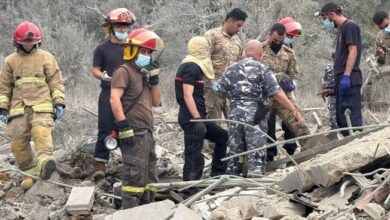
Iran itself is arguably at the center of the conflict yet among its foremost losers, at least in material and economic terms. Massive strikes against Iranian military infrastructure, leadership decapitation efforts, and subsequent retaliation have inflicted devastating losses.
Before this war, studies of the 2025 short conflict already showed oil exports plummeting by as much as 94% and daily revenue losses exceeding $120 million. Now, with sustained hostilities and energy infrastructure targeted alongside global sanctions, Iran’s formal economy — already strained — faces deeper structural breakdown.
The human cost is steep, with thousands of casualties and large segments of industry and infrastructure damaged or destroyed. Domestically, the regime’s consolidation of power has intensified, repressing dissent and increasing central control, which may stabilize the government but estranges huge swathes of society.
Global Consumers and Import‑Dependent Economies
Countries heavily dependent on energy imports — including much of Europe and Asia — are enduring rising inflation and weakening growth prospects as oil prices spike and supply chains buckle. European industrial bases, in particular, suffer from both higher energy costs and geopolitical risk aversion that dampens investment.
Similarly, emerging markets face sharp currency pressures, inflation, and capital flight as investors seek safe havens; airlines and transportation sectors — heavily reliant on fuel — have also been flagged as among the first economic losers.
International Trade Routes and Shipping
The disruption of major maritime arteries has hurt commercial shipping, insurance markets, and global logistics. With commerce slowed or rerouted around the Gulf of Aden and potential blockades stirring fear, the cost of trade is rising and the efficiency of global supply chains is under pressure.
3. Ambiguous or Conditional Outcomes: The Swing Players
United States
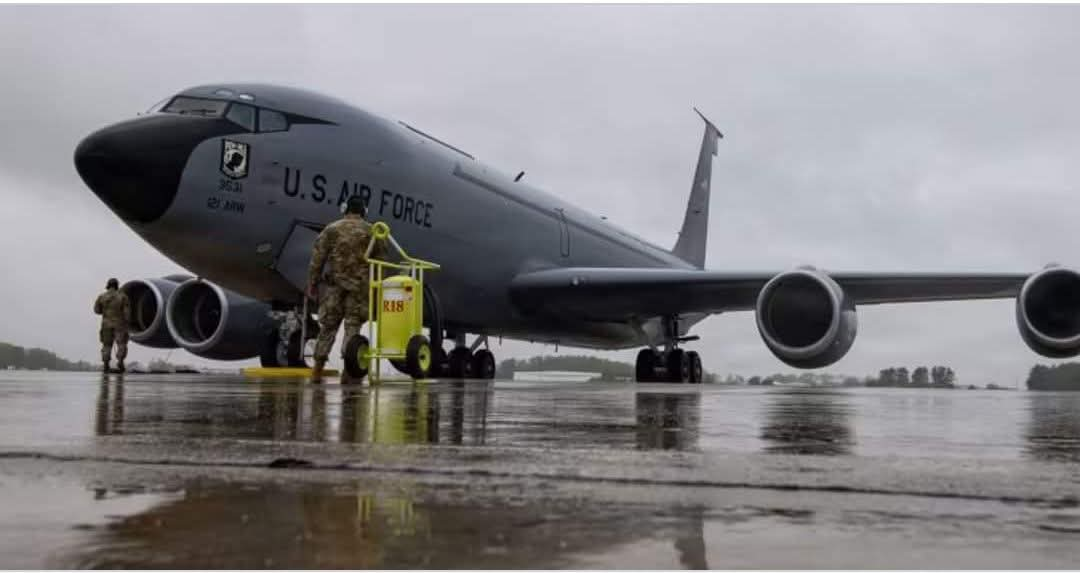
The U.S. sits in a complex position. Militarily, it has succeeded in degrading Iranian capacity and reinforcing its alliances, but strategically this has not yielded a rapid or decisive end to the conflict. High military costs — projections suggesting hundreds of billions if the war prolongs — weaken domestic economic priorities.
Economically, Wall Street and broad markets initially shuddered with volatility, even if average downturns post‑geopolitical shocks tend to stabilize over months. Politically, the conflict’s length and cost could weigh heavily on U.S. public opinion and leadership legitimacy.
Thus, the U.S. is both a beneficiary of strategic gains and a potential loser if long‑term commitments outweigh returns.
Russia and China
While not direct combatants, Russia may be an indirect winner through strengthened oil markets and geopolitical distraction that shifts Western focus away from Eastern European conflicts.
China’s position is more nuanced: it benefits from discounted energy and continued trade with Iran but must manage strained relations with the U.S. and avoid destabilizing global markets — a careful balancing act.
Turkey and Regional Actors
Countries like Turkey are walking fragile lines: rejecting direct involvement yet needing to protect borders and manage refugee flows. Ankara’s geopolitical calculations balance NATO ties with regional security risks.
4. What the Future Holds if Hostilities Continue
Escalation vs. Containment
Continued fighting risks transforming a regional war into a broader conflict involving proxies like Hezbollah and the Houthis, which could stretch across the Levant, Red Sea, and Persian Gulf — further destabilizing multiple regions.
Economic Stagnation and Global Price Volatility
If the Strait of Hormuz remains disrupted, prolonged energy shocks could push inflation higher, lower growth globally, and trigger stagflation in vulnerable economies — especially those without resilient energy sectors.
Strategic Realignment
Longer war could reset geopolitical alliances, as regional powers hedge between the U.S., Russia, China, and their own security interests. Diplomacy may eventually emerge as the only path out of an unwinnable stalemate.
Domestic Pressures and Regime Survival
Iran’s newly appointed leadership faces internal pressure. While foreign strikes undermine capabilities, they also risk hardening the regime and fostering heightened nationalism — historically a pattern in societies under attack.
5. Conclusion: Winners and Losers of a Prolonged Conflict
In a war with no clear end in sight, Israel and oil producers appear to benefit strategically or financially from the current conditions. Iran and energy importers stand as obvious losers, bearing death, destruction, and economic pain. The United States and regional actors find themselves in a precarious middle ground — achieving partial goals but at considerable cost.
In any enduring conflict, violence exacts its heaviest toll on civilians and economies that cannot insulate themselves from disruption. As hostilities continue, the balance sheets will likely tilt further toward losses for global stability, even as smaller actors find isolated gains. The key to ending this conflict — and determining its ultimate winners and losers — lies not in battlefield conquests alone, but in diplomacy that addresses the deep structural tensions underpinning this crisis.