Iran War: How It Could Affect Your Life as a Nigerian.
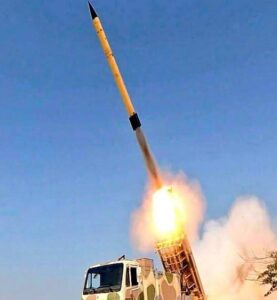
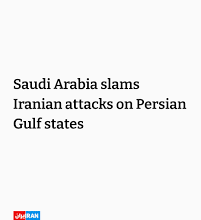
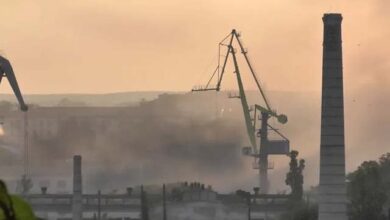
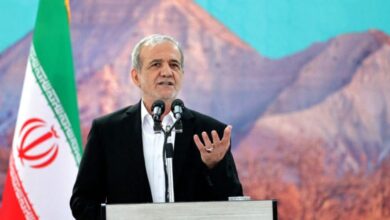
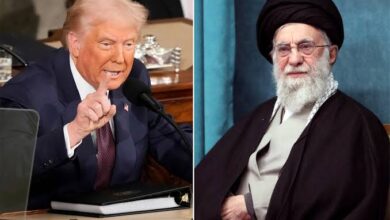
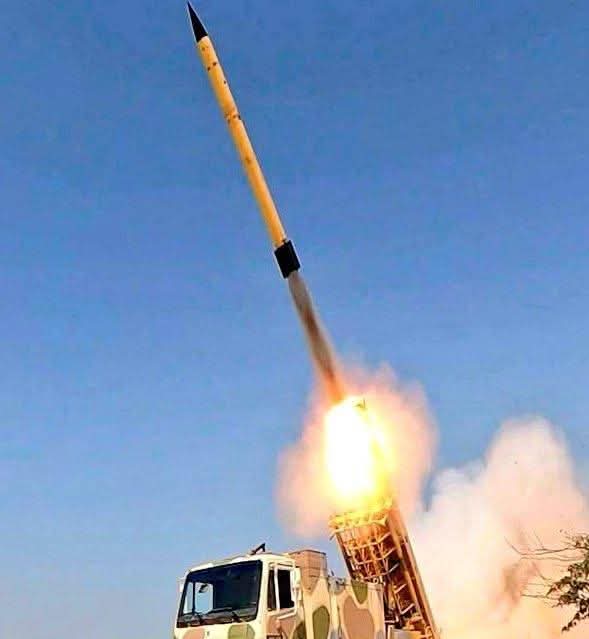
The ongoing US-Israel war with Iran, now in its third week, has driven Brent crude oil prices above $100 per barrel—currently around $103—and kept the Strait of Hormuz under severe disruption. For Nigeria, this brings a mix of short-term gains and clear everyday pressures.
As an oil exporter, Nigeria benefits from higher global crude prices, far above the 2026 budget benchmark of about $65 per barrel. This could deliver billions in extra revenue to the government, potentially boosting foreign exchange reserves, supporting infrastructure projects, and easing some fiscal strain if managed wisely.
However, the immediate impact on daily life is felt through rising domestic fuel costs. Petrol prices have climbed sharply in recent days, with Dangote Refinery adjusting gantry prices to around N1,175 per litre, pushing retail pump prices to N1,300 or more in many areas, up from N1,050 or lower just weeks ago. Diesel has followed suit, exceeding N1,600 in places.
This means higher transport fares for commuters—whether by danfo, okada, or ride-hailing—will add to household budgets. Food prices are likely to rise as farmers and traders face increased costs for moving goods and inputs like fertiliser. Cooking gas and electricity generation (via generators) become more expensive, hitting homes, small businesses, and markets hard.
Inflation, which had been moderating, faces upward pressure from these imported costs, affecting everything from groceries to school fees and medical bills. Telecom operators, reliant on diesel-powered base stations, may pass on higher charges, making mobile data and calls costlier.
Private businesses—manufacturers, transporters, retailers—will see logistics expenses surge, potentially leading to price hikes or tighter operations. Public institutions, from hospitals to schools, could face budget squeezes or service adjustments.
Yet experts note that Nigeria is better positioned than before, thanks to Dangote Refinery’s output and some fiscal buffers. If the conflict eases soon, price pressures could moderate. The government is monitoring closely, with teams reviewing policies like naira-for-crude to cushion effects.
For the average Nigerian, the war means tighter wallets in the short term—higher fuel, food, and transport costs—but potential longer-term stability if extra oil revenues are used effectively and not for political campaigns. Stay informed as the situation develops.