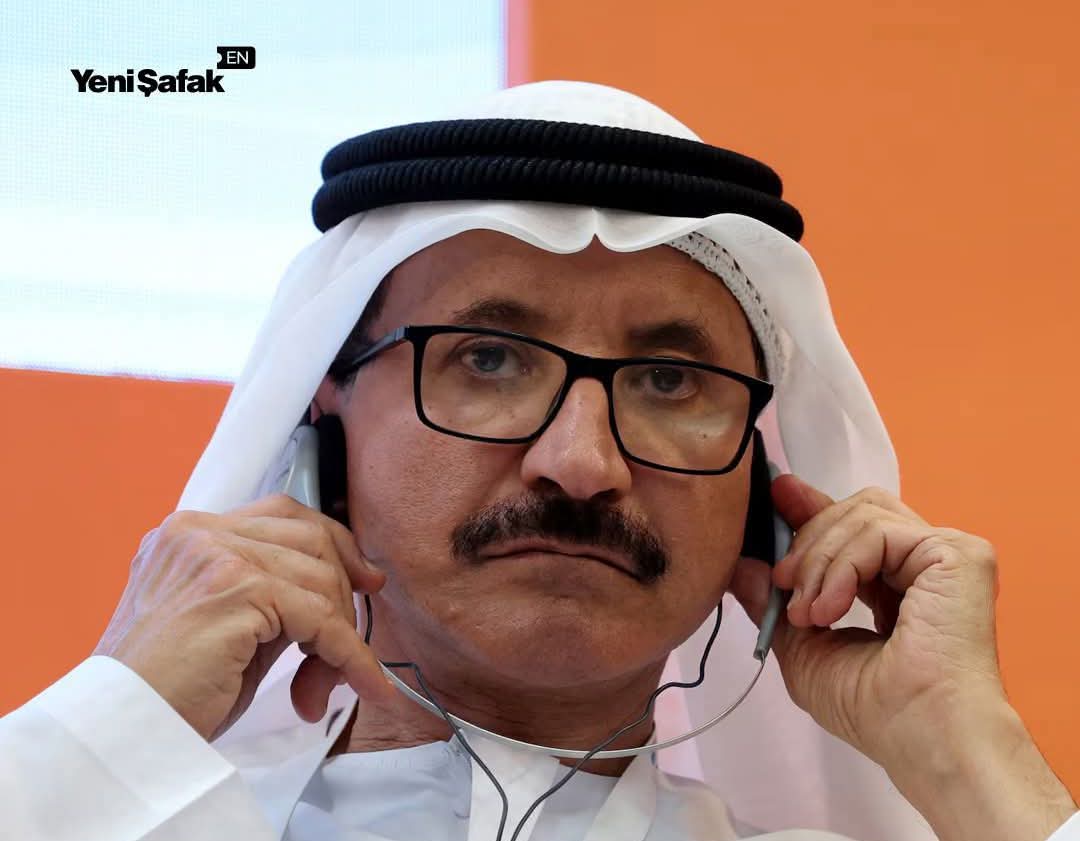
Sultan Ahmed bin Sulayem Resigns as DP World Chief Over Epstein Email Scandal
Sultan Ahmed bin Sulayem has stepped down as chairman and chief executive of global ports operator DP World after newly surfaced emails exposed a decade-long personal relationship with convicted sex offender Jeffrey Epstein, triggering international outrage and reputational fallout for one of the Middle East’s most prominent business figures.
The correspondence, reportedly exchanged between 2007 and 2017, portrays a close friendship between the Dubai-based executive and the disgraced financier, with discussions ranging from personal matters to references to women. In one exchange cited in the revelations, Epstein wrote: “Where are you? Are you OK, I loved the torture video.” In another message, he described bin Sulayem as “one of my most trusted friends.”
The disclosures have intensified scrutiny of the 66-year-old Emirati executive, who built DP World into a dominant force in global maritime logistics, handling roughly a tenth of the world’s container traffic through its vast network of ports and terminals across six continents. His sudden resignation marks a dramatic fall for a figure long regarded as a central architect of Dubai’s rise as a global trade hub.
In a brief statement announcing his departure, bin Sulayem said he was stepping aside “in the best interests of the company and its stakeholders,” without directly addressing the substance of the emails. He also deactivated his account on social media platform X shortly after the revelations became public.
The scandal has renewed focus on the enduring shadow cast by Epstein’s international network of powerful associates. Epstein, who was convicted in 2008 of soliciting prostitution from a minor and later arrested again in 2019 on federal sex-trafficking charges, died in jail while awaiting trial. Since then, successive document releases and investigative reports have exposed connections with political leaders, financiers, academics and royalty, prompting ongoing legal battles and public controversy worldwide.
For DP World, the leadership crisis comes at a sensitive time for global trade, with supply-chain disruptions and geopolitical tensions reshaping shipping routes and port competition. Analysts say the company now faces the dual challenge of stabilising governance and insulating operations from reputational damage linked to its former chief’s personal conduct.
Industry observers note that bin Sulayem’s long tenure and outsized influence mean the transition could reshape the company’s strategic direction. Governments and port authorities that partner with DP World may also seek assurances over corporate oversight and ethical safeguards following the episode.
The episode underscores how associations with Epstein continue to carry severe consequences years after his death, as previously private communications emerge and public tolerance for perceived complicity narrows. For bin Sulayem, once celebrated as a global logistics visionary, the revelations have transformed a legacy of commercial expansion into a cautionary tale about reputational risk in an era of relentless disclosure.