Budgeting Just N127 Million For SUV For Presidential Villa is Unacceptable — Sen Kaka Shehu

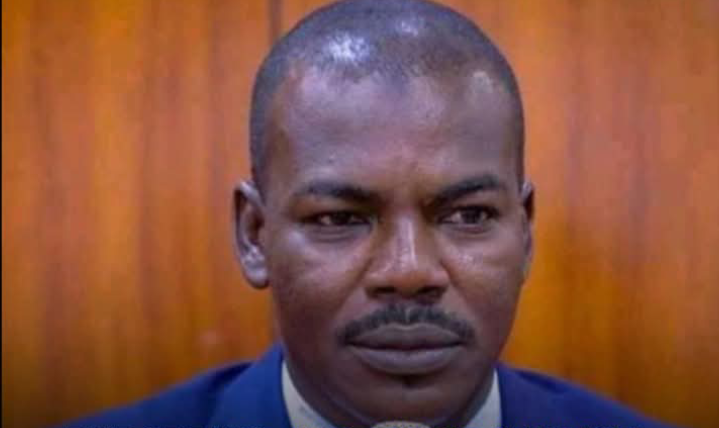
Budgeting Just N127 Million For SUV For Presidential Villa is Unacceptable — Sen Kaka Shehu
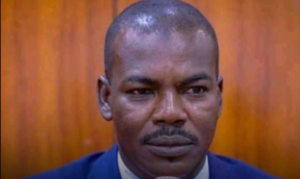
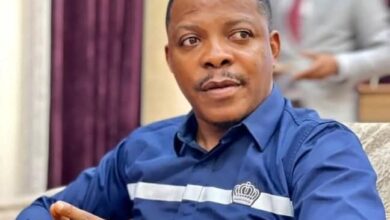
The Chairman of the Senate Committee on Special Duties, Senator Kaka Shehu, has faulted the proposed N127 million allocation for the purchase of an SUV for the Presidential Villa, describing the amount as inadequate.
Speaking during deliberations, Shehu said although President Bola Tinubu’s “Renewed Hope” agenda remains on track and the Presidential Villa is being treated like other ministries in budget considerations, the sum proposed for the vehicle was unrealistic.
“The renewed hope agenda of President Tinubu is alive. We are happy that even the villa is being treated equally with other ministers. However, I will join my colleague in rejecting N127 million for SUV in the villa; it cannot buy even a bulletproof ‘tokunbo’. We must project the image of Nigeria positively in the committee of nations,” he said.
He added that; “Nigeria’s international image must be protected”, stressing that official engagements require appropriate standards. “It won’t be nice a visiting president gets welcome with tokunbo at the airport. No, that is unacceptable,” he stated.
Shehu maintained that the proposed amount would not secure a befitting, security-compliant vehicle for the Presidency, urging a review of the allocation.