MANUFACTURED CHAOS? WHY THE ORIGINS OF BOKO HARAM DESERVE HARDER QUESTIONS
For years, Nigerians have been told a neat, convenient story about the origins of Boko Haram that it simply emerged as a homegrown extremist movement, born out of poverty, illiteracy, and local grievance. Case closed. No further questions.
But recent investigative trails and uncomfortable geopolitical realities are forcing a far more disturbing possibility into the open: what if the insurgency we’ve spent over a decade bleeding from was never entirely organic to begin with?
We were all here when members of the U.S. Congress openly raised concerns about whether funds from the United States Agency for International Development (USAID) may have indirectly ended up in the hands of terror-linked networks operating across Africa including factions tied to Boko Haram.
This wasn’t a beer parlour conspiracy theory. These were legislators, on record, questioning oversight failures in Washington’s own foreign aid disbursement architecture. The concern was simple: in fragile regions flooded with NGOs, subcontractors, and opaque funding pipelines, how much of that money is actually tracked to its final destination?
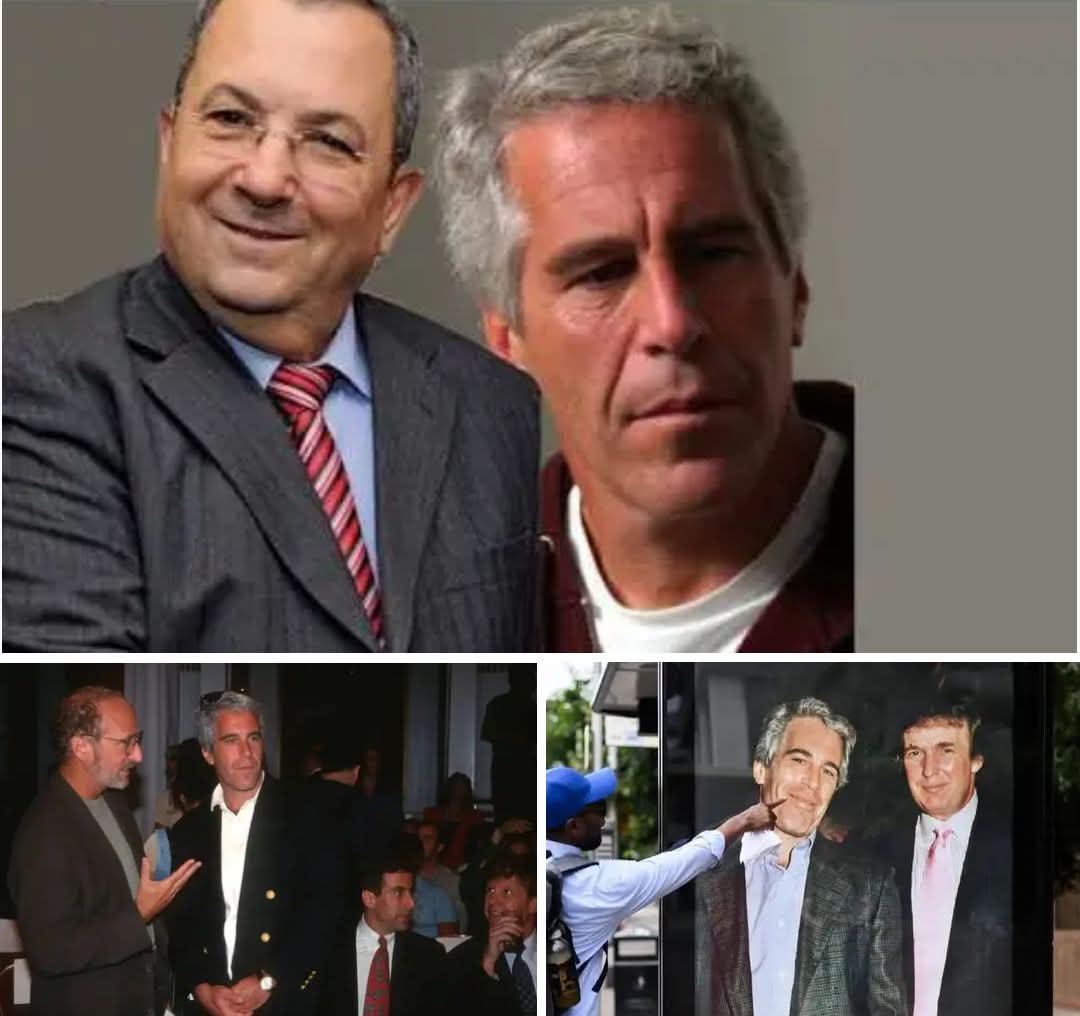
Now layer that against mounting reports that foreign private actors including Jeffrey Epstein and former Israeli Prime Minister Ehud Barak saw Nigeria’s insecurity as a commercial gateway: a market opportunity to sell surveillance systems, cyber-infrastructure, and “counter-terror solutions” to a state under siege.
At what point do we stop pretending these are separate conversations?
If instability becomes profitable, then instability becomes incentivized.
If terror justifies contracts, deployments, technology transfers, and strategic footholds in oil and logistics corridors, then terror is no longer just a tragedy it becomes leverage.
No one is arguing that Boko Haram fighters are foreign imports. The foot soldiers are local. The bloodshed is real. The trauma is ours.
But the ecosystem in which such a group metastasized the funding blind spots, the intelligence games, the security-industrial opportunism is anything but purely local.
And until Nigerians are willing to interrogate not just who pulled the trigger, but who benefits from the gunshot, we will keep fighting symptoms while the deeper architecture of chaos remains comfortably offshore.
Further still, the current U.S. intervention with reports of nearly 400 American troops now deployed and in the process of establishing operational camps across Borno, Bauchi, and Niger States is neither something to applaud nor automatically condemn. It is, however, a moment of awakening for Nigerians. These actors are, first and foremost, here to protect their interests and secure their benefits. The bitter truth remains that the final failure in all of this is domestic: our own leadership has left a vacuum that foreign powers are more than willing to fill.