INEC Officials Allegedly Received Land, N50m Each, Says Sam Amadi, Questions Electoral Independence


INEC Officials Allegedly Received Land, N50m Each, Says Sam Amadi, Questions Electoral Independence
A political analyst and Director of the Abuja School of Social and Political Thought, Sam Amadi, has raised concerns over allegations that officials of the Independent National Electoral Commission (INEC) received plots of land and cash gifts, describing the development as a threat to the commission’s constitutional independence.
Amadi made the remarks during an interview on Arise News while discussing the credibility of Nigeria’s electoral system and the preparedness of key institutions ahead of future elections.
According to him, reports indicated that 29 INEC officials were allocated plots of land and received N50 million each, benefits he argued were inconsistent with the principles guiding the commission’s independence and neutrality.
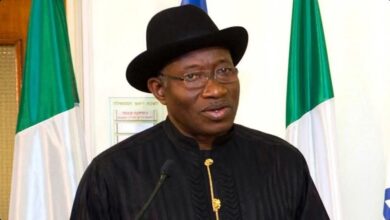
The former chairman of the Nigerian Electricity Regulatory Commission (NERC) stressed that INEC occupies a unique constitutional position designed to shield it from political and executive influence. He noted that reforms introduced in 2010 during the administration of former President Goodluck Jonathan strengthened the commission’s autonomy by exempting it from presidential rule-making control.
Amadi argued that any acceptance of gifts or privileges from individuals or institutions connected to government raises serious questions about the behavioural independence expected of electoral officials. He maintained that independence should not only exist in law and institutional structures but must also be reflected in the conduct of those entrusted with overseeing elections.
Citing media reports and accounts allegedly confirmed by an INEC official, Amadi said the allocation of land and financial benefits undermines public confidence in the electoral body and contradicts the spirit of constitutional safeguards established to ensure impartiality.
He warned that such allegations should not be dismissed lightly, especially as political activities continue to gather momentum ahead of future elections. According to him, civil society organisations, opposition parties and international observers should closely monitor the situation and demand accountability where necessary.
Amadi further emphasized that public trust in the electoral process depends not only on legal protections but also on the visible neutrality and integrity of election administrators, adding that any perception of compromise could weaken confidence in democratic institutions.