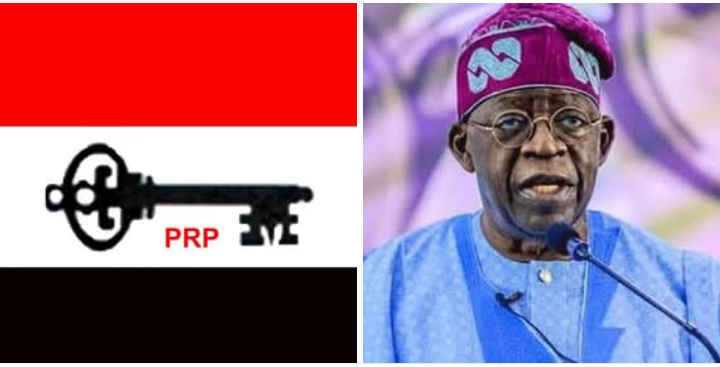
PRP Faction Rejects Abuja Convention, Alleges Plot to Hijack Party Structure
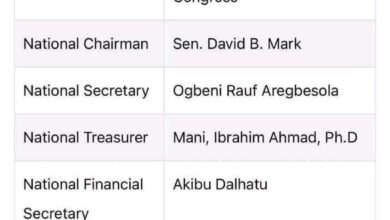
A deepening crisis has emerged within the People’s Redemption Party (PRP) as a faction of the party has openly rejected the outcome of a recent convention reportedly held in Abuja, describing the exercise as illegitimate and politically motivated.
The dissenting bloc, in a strongly worded reaction, dismissed the convention as a “sham,” alleging that it was orchestrated by a rival group seeking to seize control of the party’s structure ahead of the 2027 general elections. According to the faction, the process lacked transparency and failed to adhere to the party’s constitutional provisions, raising concerns about internal democracy within the PRP.
Sources familiar with the dispute indicate that the aggrieved members accused certain party elites of attempting to reposition the PRP for personal political advantage rather than collective growth. They warned that such moves could undermine the party’s long-standing ideological foundation rooted in social democracy and grassroots mobilization.
The faction further insisted that any leadership emerging from the Abuja convention would not be recognised, arguing that due process was ignored in convening the gathering. It called on the Independent National Electoral Commission (INEC) to disregard the outcome of the exercise pending a resolution of the internal dispute.
Political observers note that the development mirrors a broader pattern of factional struggles across Nigeria’s political landscape, where disputes over conventions and leadership legitimacy have become increasingly common, particularly as parties begin early positioning for the 2027 elections. Similar crises in other parties have often led to prolonged legal battles and weakened electoral prospects.
Within the PRP, the disagreement threatens to widen existing cracks in a party historically known as one of Nigeria’s oldest political platforms, founded in 1978 and rooted in progressive ideology. Despite its legacy, the party has struggled in recent years to maintain national relevance, making unity a critical factor ahead of future elections.
The faction has therefore called for an inclusive stakeholders’ meeting to address grievances and restore cohesion, warning that failure to resolve the crisis could further erode the party’s chances in the 2027 polls.
As tensions continue to mount, the unfolding situation places the PRP among several political parties grappling with internal divisions at a time when strategic alliances and structural stability are expected to shape Nigeria’s next electoral cycle.