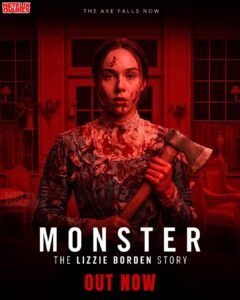
MONSTER: THE LIZZIE BORDEN STORY — A DARK REIMAGINING OF ONE OF AMERICA’S MOST ENDURING MURDER MYSTERIES

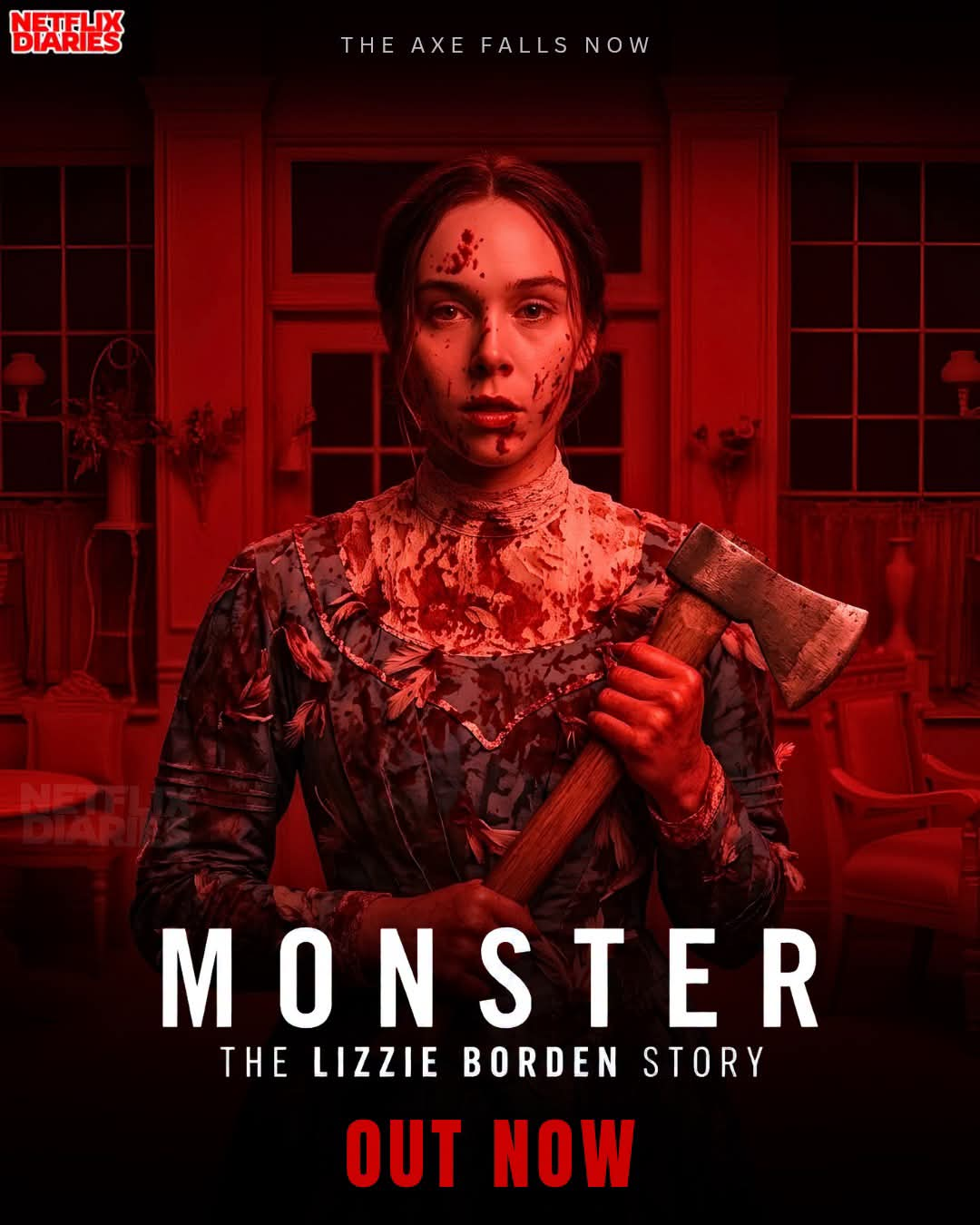
MONSTER: THE LIZZIE BORDEN STORY — A DARK REIMAGINING OF ONE OF AMERICA’S MOST ENDURING MURDER MYSTERIES
Netflix’s Monster: The Lizzie Borden Story brings one of the most notorious and enduring murder mysteries in American history into the modern true-crime spotlight. The fourth installment of Ryan Murphy and Ian Brennan’s Monster anthology, the series premiered on September 17, 2026, with Ella Beatty portraying Lizzie Borden. The cast also includes Vicky Krieps, Charlie Hunnam, Rebecca Hall, Jessica Barden, Billie Lourd and Sarah Paulson.
At the center of the story is the real-life case that shocked Fall River, Massachusetts, in 1892. On August 4 of that year, Andrew Borden and his second wife, Abby Borden, were found dead inside their home after suffering multiple blows from a hatchet. Lizzie, Andrew’s 32-year-old daughter, was in the house and subsequently became the principal suspect. She was arrested on August 11, 1892, and ultimately stood trial in June 1893. On June 20, the jury found her not guilty.
What makes the Netflix production particularly intriguing is that it does not simply retell the courtroom proceedings. According to Netflix’s official description, the drama places considerable emphasis on Lizzie’s oppressive Victorian-era household and her relationship with a rebellious maid, using themes of repression, power, fantasy and revenge to construct its interpretation of the events. Netflix describes the series as a psychological, historical crime drama rather than a straightforward documentary reconstruction.
That distinction is important because the historical record never established that Lizzie Borden committed the murders. She was accused, prosecuted and acquitted, and no one was ultimately convicted for the killings. The Library of Congress notes that the question of whether Lizzie committed the murders remains unresolved. Contemporary records—including newspaper reports, witness statements, inquest testimony and trial materials—have preserved an unusually detailed account of the investigation and trial, but they did not produce a definitive answer to the central mystery.
The enduring fascination with Lizzie Borden therefore comes from the gap between what was suspected and what could actually be proven. The prosecution faced a case heavily dependent on circumstantial evidence, while Lizzie’s defense challenged the reliability and interpretation of that evidence. Her acquittal transformed her from a murder suspect into one of America’s most recognizable criminal-history figures. Over the decades, the case has inspired books, films, television productions, plays and other interpretations, while the famous nursery rhyme helped turn the tragedy into part of popular folklore.
The new Monster season also expands the story beyond the nineteenth-century crime itself. Netflix’s Tudum describes the production as an exploration of the question of what drives a woman toward violence and how Lizzie’s legacy developed into a cultural myth. Sarah Paulson’s involvement as Aileen Wuornos further connects the narrative to the anthology’s broader interest in women associated with notorious killings, although Wuornos is not historically connected to the Borden murders.
Ultimately, Monster: The Lizzie Borden Story should be understood as a dramatic interpretation of a historical mystery, not as a definitive explanation of what happened inside the Borden home on August 4, 1892. The real case remains unresolved despite more than a century of speculation. That uncertainty is precisely what continues to make Lizzie Borden’s story so compelling: a brutal double murder, a controversial investigation, a sensational trial, an acquittal and a woman whose name became permanently connected with crimes that the courts never proved she committed.