BREAKING: Insecurity Will Stop After Elections – Akpabio
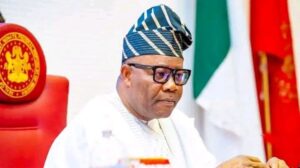
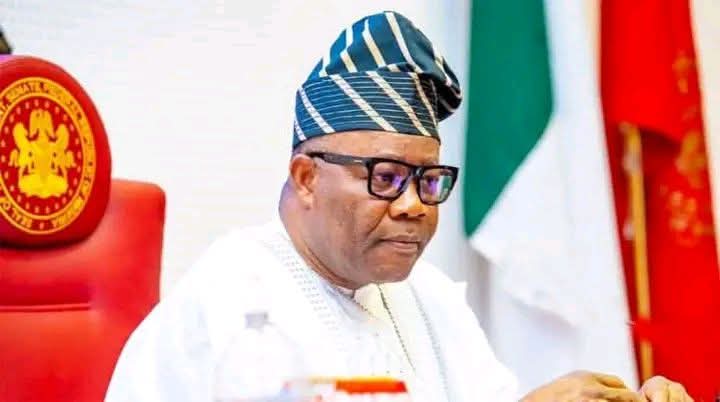
Senate President Godswill Akpabio has attributed Nigeria’s worsening insecurity to the country’s electoral cycle, expressing optimism that the situation will improve significantly after the forthcoming elections.
Akpabio made the remarks amid growing national concern over persistent attacks, kidnappings, and violent conflicts across several regions. His comments align with recent statements in which he reassured Nigerians that the current security challenges are temporary and that the nation would eventually overcome them.
According to the Senate President, political tensions associated with election periods often heighten instability, suggesting that actors exploit the environment to foment unrest. He, however, expressed confidence that once the elections are concluded, there would be a marked reduction in insecurity.
The statement comes at a time when insecurity remains a dominant issue in Nigeria’s socio-political landscape. Over the years, the country has grappled with multiple threats, including banditry in the North-West, insurgency in the North-East, farmer-herder clashes in the North-Central, and separatist-related violence in the South-East.
Akpabio, who has repeatedly called for unity and cooperation among citizens, urged Nigerians not to lose hope, stressing that government efforts—alongside legislative interventions—are ongoing to address the root causes of violence. He also emphasised the need for collective responsibility, noting that peace and stability require collaboration between security agencies, government institutions, and the public.
While his remarks have sparked debate among political observers and citizens, they underscore the continuing intersection between politics and security in Nigeria, particularly as the country moves closer to another election cycle.
Analysts say the assertion places renewed focus on the role of political actors in either exacerbating or mitigating insecurity, raising broader questions about governance, accountability, and the sustainability of peace beyond election periods.